
Consultation Hotline
+1 (302) 618-8777
+1 (302) 618-8777
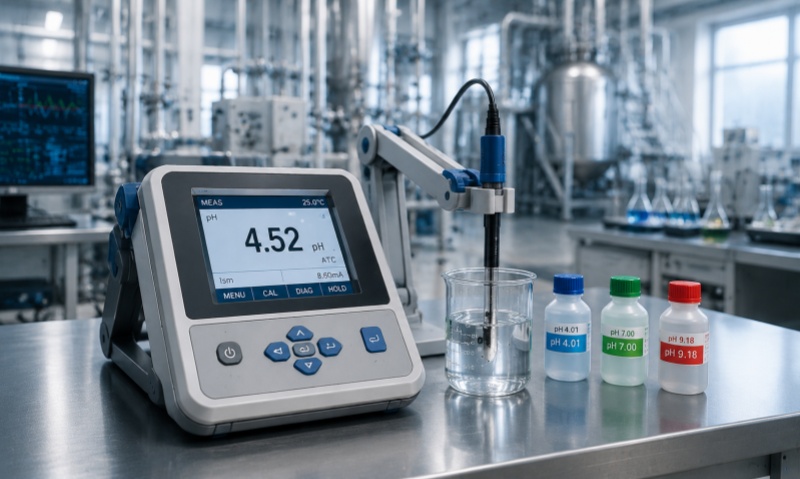
Portable pH meters are widely used in laboratories, environmental monitoring, food processing, water treatment, agriculture, chemical production, and field testing. Compared with benchtop instruments, portable pH meters are designed for mobility and rapid measurement, but their compact design does not mean they require less maintenance. Proper care of the electrode, calibration system, measuring probe, and instrument body is essential for maintaining measurement accuracy and extending service life.
The pH electrode is the most important and sensitive component of a portable pH meter. During routine use, the glass membrane and reference junction can become contaminated by samples, suspended solids, proteins, oils, or chemical residues. Such contamination may cause slow response, unstable readings, or calibration failure.
After each measurement, rinse the electrode thoroughly with distilled or deionized water. Do not aggressively wipe the glass bulb because mechanical friction can create static charges or damage the sensitive membrane. If contamination is significant, use an appropriate electrode cleaning solution according to the type of contaminant. For example, protein contamination may require a dedicated protein-cleaning solution, while oily samples may require a suitable detergent-based cleaning procedure.
One of the most common causes of premature pH electrode failure is improper storage. The glass membrane must remain hydrated to maintain its electrochemical response. A pH electrode should normally be stored in an appropriate electrode storage solution rather than distilled water.
Never leave the electrode dry for extended periods. If the electrode has accidentally dried out, it may need to be rehydrated in storage solution before use. The recovery time depends on the electrode design and its condition, and a damaged or aged electrode may not fully recover.
When transporting a portable pH meter, protect the electrode with its original cap or protective container and make sure the storage solution does not leak.
Calibration is essential for reliable pH measurement. Even a clean and properly stored electrode can gradually change its response characteristics over time.
For routine measurements, calibration should generally be performed before use or according to the laboratory's established quality-control procedure. Common buffer solutions include pH 4.01, 7.00, and 10.01. The selected buffers should cover the expected pH range of the samples.
Always use fresh, uncontaminated buffer solutions. Do not return used buffer to the original bottle. During calibration, rinse the electrode between different buffer solutions to prevent cross-contamination.
If the instrument reports an unusually low slope, unstable calibration, or calibration error, inspect the electrode for contamination, aging, insufficient hydration, or physical damage before continuing measurements.
The reference junction is another critical area that can affect measurement stability. Blockage or contamination of the junction can significantly increase response time and cause drifting readings.
Inspect the junction regularly, especially when measuring samples containing proteins, oils, suspended particles, or high concentrations of dissolved substances. If blockage is suspected, use the electrode manufacturer's recommended cleaning procedure. Avoid using strong chemicals unless they are specifically compatible with the electrode.
Although the electrode receives most of the attention, the meter itself also requires routine care. Keep the instrument housing clean and dry. If samples spill onto the meter, wipe them away immediately with a suitable laboratory wipe.
Pay particular attention to the electrode connector. Moisture, salts, and chemical residues around the connector can cause poor electrical contact or unstable readings. Before connecting or disconnecting the probe, ensure the connector is clean and dry.
For battery-powered instruments, check the battery condition regularly. Weak batteries can cause unexpected shutdowns or abnormal instrument behavior. If the meter will not be used for a long period, follow the manufacturer's recommendations for battery storage.
Portable pH meters are often used outdoors, making them more vulnerable to temperature, humidity, dust, and accidental impact. Avoid exposing the instrument to temperatures or humidity levels outside its specified operating range.
Temperature also affects pH measurement. If the meter has automatic temperature compensation (ATC), make sure the temperature sensor is functioning correctly and is properly immersed in the sample. ATC can compensate for the temperature dependence of the electrode response, but it does not eliminate the fundamental temperature dependence of the sample's pH.
A simple maintenance schedule can significantly improve instrument reliability. After every measurement, rinse the electrode and return it to the proper storage condition. Before daily operation, inspect the electrode, connector, battery, and meter housing. Perform calibration at an appropriate frequency based on usage and required accuracy.
For high-frequency applications, laboratories should also record calibration results, electrode slope, offset, cleaning procedures, and replacement dates. These records can help identify gradual electrode deterioration before it causes serious measurement errors.
Proper maintenance of a portable pH meter is primarily about protecting the electrode, maintaining reliable calibration, preventing contamination, and keeping the instrument dry and clean. Regular rinsing, correct storage, fresh buffer solutions, careful calibration, and routine inspection can greatly improve measurement stability and extend electrode life. For laboratories and field technicians that depend on accurate pH data, preventive maintenance is not simply a cleaning task—it is an essential part of measurement quality management.