
Consultation Hotline
+1 (302) 618-8777
+1 (302) 618-8777
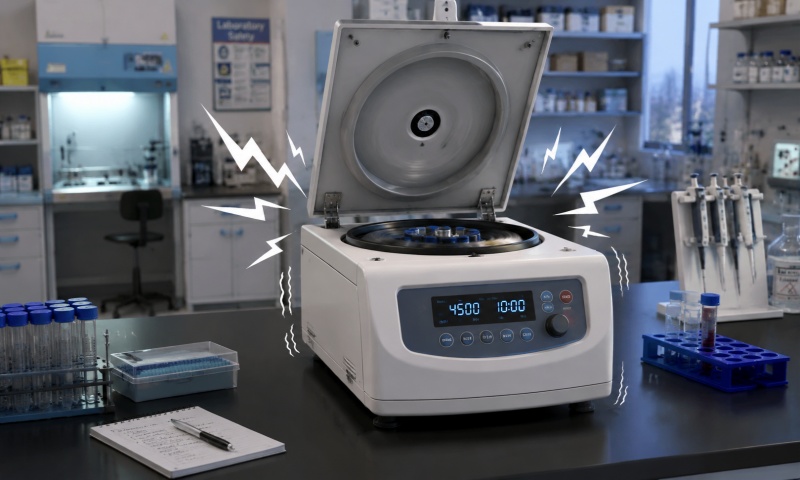
Excessive noise in a benchtop laboratory centrifuge is one of the most common operational issues encountered in routine laboratory environments. While a certain level of sound is normal during high-speed rotation, abnormal or increasing noise often indicates mechanical imbalance, wear, or system malfunction. If not addressed promptly, it can lead to reduced performance, sample loss, or even serious instrument damage. This guide provides a structured troubleshooting and maintenance approach for diagnosing and repairing high noise issues in laboratory centrifuges.
The most frequent cause of excessive noise is rotor imbalance. When sample tubes are not symmetrically loaded, the centrifugal force becomes uneven, leading to vibration and loud mechanical noise.
Inspection steps:
Ensure all tubes are filled to equal volume.
Confirm that tubes are placed in balanced positions (opposite each other).
Check for cracked or damaged tubes that may cause uneven mass distribution.
Corrective action:
Rebalance the rotor immediately and rerun the centrifuge at a low speed to verify stability. Persistent imbalance may indicate incorrect rotor selection or user handling errors.
Rotors are subjected to high mechanical stress. Over time, fatigue, corrosion, or micro-cracks may develop, especially if chemical spills are not cleaned properly.
Symptoms:
Metallic grinding noise
Increased vibration at medium-to-high speed
Visible corrosion or discoloration
Maintenance procedure:
Remove rotor and inspect under good lighting.
Check for hairline cracks using dye penetrant if available.
Clean with neutral detergent and dry thoroughly.
Action:
Replace the rotor immediately if structural damage is detected. Never operate a centrifuge with a compromised rotor.
Incorrect installation of the rotor onto the drive shaft can create misalignment, resulting in rhythmic noise or shaking during acceleration.
Checks:
Ensure rotor is fully seated on the shaft.
Verify locking mechanism is securely tightened.
Inspect for debris on the mounting interface.
Fix:
Remove and reinstall the rotor, ensuring proper alignment and secure fastening according to manufacturer instructions.
The centrifuge motor and bearings are critical components. Over time, bearing wear or lubrication failure can produce continuous humming, grinding, or squealing sounds.
Indicators:
Noise increases with speed
Vibration persists even without load imbalance
Heat generation around motor housing
Maintenance steps:
Perform no-load spin test to isolate mechanical noise.
If noise persists, suspect motor bearings.
Action:
Bearing replacement or motor servicing is required. In most modern centrifuges, the motor assembly is sealed, and replacement by qualified technicians is recommended.
A faulty lid locking system or loose mechanical housing components can also generate rattling or intermittent noise.
Inspection:
Check lid latch tightness.
Inspect rubber seals and locking pins.
Ensure external panels are firmly secured.
Fix:
Tighten loose components and replace worn sealing parts if necessary.
External conditions can amplify noise levels significantly.
Common issues:
Uneven laboratory bench surface
Centrifuge placed near vibrating equipment
Insufficient anti-vibration pads
Solution:
Place centrifuge on a stable, level surface.
Use anti-vibration pads or isolation platforms.
Maintain clearance from other mechanical instruments.
Preventive maintenance is the most effective way to reduce noise-related failures:
Clean rotor and chamber regularly
Inspect tubes before each run
Avoid over-speeding beyond rated rotor limits
Perform periodic balance calibration
Schedule annual professional servicing
High noise in a benchtop centrifuge is typically a warning sign of mechanical imbalance, rotor damage, bearing wear, or installation issues. Early identification and systematic troubleshooting can prevent costly repairs and ensure safe operation. Regular maintenance, proper sample balancing, and correct rotor handling are essential for maintaining long-term instrument stability and performance.
By implementing structured diagnostic procedures, laboratories can significantly extend centrifuge lifespan while maintaining optimal operational safety and efficiency.