
Consultation Hotline
+1 (302) 618-8777
+1 (302) 618-8777
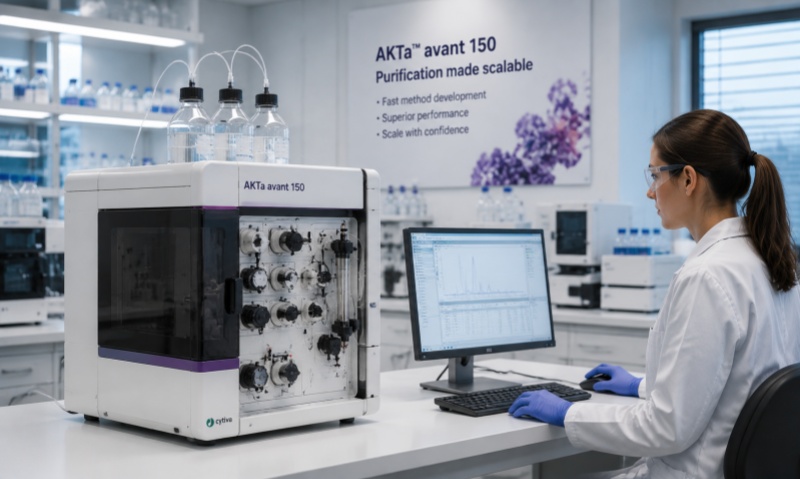
A micro distiller is a compact laboratory instrument designed for small-volume distillation, solvent purification, sample preparation, and separation of liquid mixtures based on differences in volatility and boiling points. Because of its small footprint, relatively fast heating, and flexible operation, it is widely used in chemical laboratories, pharmaceutical research, food testing, environmental analysis, teaching laboratories, and other analytical applications. Proper operation, regular maintenance, and strict adherence to safety procedures are essential for obtaining reliable distillation results and extending the service life of the instrument.
Before operating a micro distiller, perform a complete inspection of the instrument. First, verify that the power supply voltage matches the rating specified on the equipment nameplate. Check the power cord, plug, grounding connection, switches, and control panel for visible damage.
Inspect the distillation flask, receiving vessel, condenser, seals, tubing, and connecting joints. Glass components should be free from cracks, chips, or other damage. If a component is damaged, it should be replaced before operation.
If the instrument uses circulating cooling water, confirm that the inlet and outlet tubing is correctly connected and that water can flow normally. Also check the temperature sensor and make sure it is properly positioned and securely installed.
Before adding a sample, ensure that the distillation vessel is clean and free of incompatible residues. The sample volume should remain within the manufacturer's recommended range. Do not overfill the flask, because sufficient headspace is required to prevent bumping, foaming, and liquid carryover.
Begin by adding the appropriate amount of sample to the distillation vessel. Assemble the distillation head, temperature sensor, condenser, and receiving vessel according to the instrument design. Connections should be secure but should not be tightened excessively, particularly when glass components are involved.
For water-cooled systems, start the cooling-water circulation before applying heat. Set the required heating temperature and gradually increase the temperature. Slow and controlled heating helps reduce the risk of sudden boiling and sample splashing.
As the sample reaches its boiling range, vapor enters the condenser and is converted back into liquid. The condensed liquid then flows into the receiving vessel. During operation, continuously monitor the temperature, distillation rate, condenser performance, and appearance of the sample.
If vigorous boiling, foaming, liquid carryover, abnormal temperature fluctuations, or leakage occurs, reduce the heating power immediately. If necessary, stop the operation and investigate the cause.
The heating temperature should remain relatively stable during normal operation. Avoid making frequent and large temperature adjustments, as this can lead to unstable distillation and poor separation performance.
When distillation is complete, turn off the heating system first and allow the equipment to cool naturally. Do not immediately handle hot glassware or internal components. Follow the manufacturer's recommended shutdown sequence for the cooling system and other auxiliary components.
Cleaning should be performed after every use, particularly when samples contain corrosive, oily, high-boiling, or strongly colored substances. Always allow the equipment to cool completely before cleaning or disassembling it.
Remove the distillation flask, receiving vessel, condenser, and other removable components. Select a cleaning solution compatible with the residue and equipment materials. Water-soluble residues can generally be removed with purified water, while organic residues may require an appropriate laboratory solvent.
The condenser should be inspected regularly for deposits or blockages. If deposits accumulate inside the condenser, heat-transfer efficiency may decrease, resulting in poor condensation and vapor loss.
Seals, O-rings, and flexible tubing should also be checked periodically. Aging, cracking, hardening, or deformation can cause leakage. Replace damaged sealing components promptly rather than attempting to continue operation with compromised connections.
Keep the external housing and control panel dry and clean. Do not allow cleaning liquid to enter electrical components, ventilation openings, switches, or control boards.
Poor distillation efficiency may be caused by insufficient heating, excessive sample volume, incorrect temperature settings, poor cooling, or blocked condenser passages. Check these factors systematically rather than replacing components unnecessarily.
If the temperature cannot reach the set value, inspect the heating element, temperature sensor, controller, and power supply. If the condenser does not provide adequate cooling, check the cooling-water flow, tubing, and condenser cleanliness.
Unstable distillation may result from excessive heating, sample foaming, or an incorrectly positioned temperature sensor. Adjust the operating conditions and verify the sensor installation.
If abnormal odors, smoke, electrical noise, or leakage occurs, stop the instrument immediately and disconnect the power supply. Further inspection should be performed by qualified personnel.
Safety should always be the highest priority when operating a micro distiller. Never distill substances unless their chemical properties, boiling behavior, and compatibility with the equipment are known. Flammable or hazardous substances require appropriate ventilation, protective equipment, and laboratory safety controls.
Never operate the instrument with an empty or improperly assembled distillation vessel. Do not block ventilation openings, and never operate damaged glassware or leaking tubing.
Avoid touching the distillation flask, heating area, or condenser immediately after operation because surfaces may remain hot. Wear appropriate laboratory PPE, including protective gloves and safety glasses.
Most importantly, never seal a distillation system that is intended to operate at atmospheric pressure unless it is specifically designed and rated for pressure operation. Vapor pressure can build rapidly in a closed system and create a serious rupture hazard.
A micro distiller is simple in structure but requires careful control of heating, condensation, sample volume, and operating conditions. Proper pre-use inspection, gradual heating, stable temperature control, effective condensation, timely cleaning, and regular inspection of seals and electrical components can significantly improve equipment reliability.
Operators should establish routine maintenance records and conduct periodic inspections based on operating frequency and sample characteristics. For electrical faults, damaged heating elements, temperature-control failures, or structural damage, repairs should be carried out by qualified technicians in accordance with the manufacturer's technical requirements. Proper operation and preventive maintenance not only improve distillation quality but also help protect laboratory personnel and prolong the service life of the instrument.