
Consultation Hotline
+1 (302) 618-8777
+1 (302) 618-8777
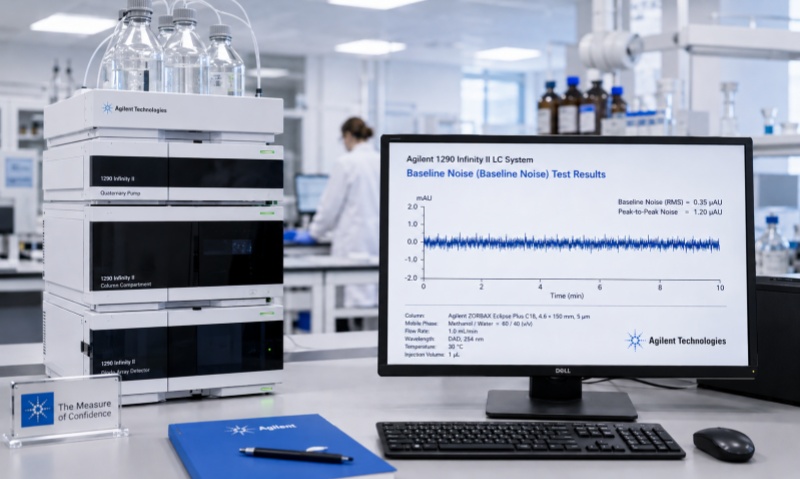
Thermal Conductivity Detectors (TCD) and Flame Ionization Detectors (FID) are two widely used detectors in gas chromatography (GC). Although their detection principles are different, both can suffer from contamination, unstable baselines, increased noise, reduced sensitivity, and abnormal peak shapes when the detector or associated gas path is not properly maintained. Detector contamination may originate from sample residues, septum particles, column bleed, dirty carrier gas, improper injection conditions, or excessive sample loading. Establishing a systematic cleaning and troubleshooting procedure is therefore essential for maintaining reliable GC performance.
Detector contamination is often related to the entire GC flow path rather than the detector alone. Injecting high-boiling compounds, concentrated samples, oils, polymers, or dirty extracts can introduce nonvolatile residues into the system. These substances may accumulate at the column outlet, detector inlet, jet, collector, or other internal components.
Column aging is another important factor. Excessive column bleed, particularly at high oven temperatures, can enter the detector and gradually increase background signals. Damaged septa can also generate particles and volatile contaminants that eventually reach the detector.
In addition, contaminated carrier gas, hydrogen, air, or makeup gas can contribute to baseline instability. Gas filters and traps should therefore be inspected and replaced according to their service condition.
A TCD detects compounds by measuring changes in thermal conductivity between the carrier gas and sample components. Because the detector relies on heated filaments, contamination or unstable gas flow can significantly affect its response.
Typical symptoms include baseline drift, increased noise, reduced sensitivity, irregular peaks, and slow stabilization after startup. Possible causes include contaminated carrier gas, column bleed, sample residue, unstable carrier or reference-gas flow, and contamination around the detector cell.
Before cleaning the TCD, first verify the carrier and reference gas supply. Check gas pressure, flow rate, regulators, traps, and leaks. If gas conditions are stable, inspect the column and temperature program. Excessive column bleed can sometimes be mistaken for detector contamination.
For light contamination, controlled thermal conditioning may help remove volatile residues. The detector should be operated only within the temperature limits specified by the manufacturer. Do not exceed the permitted detector temperature or attempt aggressive chemical cleaning of TCD filaments, as the filament is delicate and expensive.
If contamination is severe, the detector cell should be serviced according to the manufacturer's maintenance procedure. Cleaning or replacement of internal components should normally be performed by trained technicians.
FID operation depends on a hydrogen-air flame. Organic compounds entering the flame generate ions, which are collected to produce the analytical signal. FID contamination commonly affects the jet, collector, insulators, and surrounding detector components.
Typical symptoms include increased baseline noise, elevated baseline, unstable signal, reduced sensitivity, poor peak response, or difficulty maintaining a stable flame.
A contaminated FID jet is particularly common when analyzing samples containing nonvolatile materials. Deposits around the jet can restrict gas flow and alter flame characteristics.
Before physical cleaning, check hydrogen, air, and makeup-gas flows. Confirm that the gas supply is clean and stable and inspect the flame behavior. Also check for leaks around the detector and verify that the column is correctly positioned.
Turn off the detector and allow it to cool completely before beginning maintenance. Shut off the appropriate gas supplies according to the manufacturer's shutdown procedure.
Remove the FID jet carefully. Inspect it for carbon deposits or other residues. A suitable cleaning wire or tool specified by the manufacturer may be used to remove deposits from the jet orifice. Avoid enlarging or deforming the jet opening.
The collector and surrounding components should be inspected for contamination. Where permitted by the instrument manufacturer, removable metal components can be cleaned using an appropriate laboratory solvent and allowed to dry completely before reinstallation.
Do not use aggressive acids, abrasive materials, or unspecified solvents on detector components, because they may damage surfaces, insulators, coatings, or seals.
After reassembly, verify that all components are correctly positioned. Restore the gas supply, establish stable flows, ignite the flame according to the instrument's operating procedure, and allow sufficient time for the detector to stabilize before running samples.
Baseline fluctuation does not always mean that the detector itself is dirty. A systematic diagnostic approach is more effective.
First, determine whether the noise occurs with the column disconnected or with a clean, stable gas flow. If the baseline becomes stable when the column is isolated, the problem may originate from column bleed, injection contamination, or the carrier-gas path.
Next, check gas purity, regulators, traps, flow controllers, and leaks. Inspect the septum, liner, and injection port because contamination from the inlet can travel through the column and affect detector performance.
Temperature instability can also produce baseline fluctuations. Verify that the oven, injector, and detector temperatures are stable. Electrical interference, grounding problems, and aging detector electronics should be considered if the baseline remains unstable after the gas and flow systems have been verified.
The best way to prevent detector contamination is to control contamination before it reaches the detector. Use clean samples, appropriate filtration, suitable inlet liners, and high-quality carrier and detector gases. Avoid injecting excessive sample concentrations and minimize the introduction of nonvolatile materials.
Replace septa and inlet consumables at appropriate intervals. Perform regular column conditioning within the manufacturer's recommended limits and inspect detector components during scheduled maintenance.
For both TCD and FID systems, keeping a maintenance log is highly recommended. Record detector cleaning, jet replacement, gas-filter replacement, column installation, baseline performance, and other maintenance activities. Changes in baseline noise over time can provide useful information for preventive troubleshooting.
TCD and FID contamination can significantly affect GC sensitivity, reproducibility, and baseline stability. However, detector cleaning should not be the first response to every abnormal baseline. Gas purity, leaks, flow stability, injection-port contamination, column bleed, temperature control, and electrical conditions should be checked systematically.
For FID systems, careful cleaning of the jet and removable detector components can often restore performance when deposits are present. TCD systems require greater caution because their sensing filaments are delicate. Excessive heating, mechanical contact, or inappropriate solvents can cause permanent damage.
A combination of clean samples, high-purity gases, regular inlet maintenance, appropriate column conditioning, controlled detector cleaning, and systematic troubleshooting can substantially reduce contamination and help maintain stable GC performance over the long term.