
Consultation Hotline
+1 (302) 618-8777
+1 (302) 618-8777
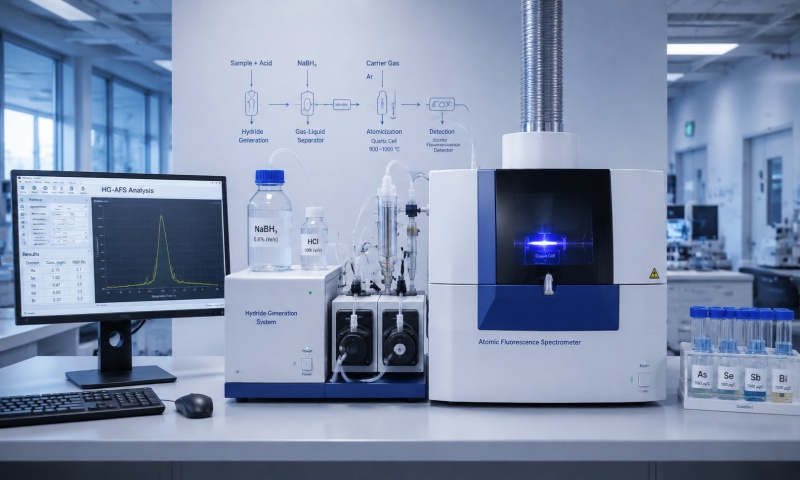
Transformer oil plays an important role in the insulation and cooling of oil-filled power transformers. During normal operation, the oil remains relatively stable. However, when electrical or thermal faults occur inside a transformer, the insulating oil and solid insulation materials can decompose and generate different gases. By analyzing these dissolved gases, engineers can identify abnormal operating conditions and determine the probable type and severity of a transformer fault.
Dissolved Gas Analysis (DGA), usually performed by gas chromatography, is therefore one of the most important predictive-maintenance methods for oil-filled transformers.
Inside a transformer, insulation materials are continuously exposed to electrical stress and heat. Under abnormal conditions such as overheating, partial discharge, arcing, or severe electrical faults, the energy generated inside the transformer can break down hydrocarbon molecules in the oil.
Different fault conditions produce different combinations and concentrations of gases. The most commonly monitored gases include hydrogen (H₂), methane (CH₄), ethane (C₂H₆), ethylene (C₂H₄), acetylene (C₂H₂), carbon monoxide (CO), and carbon dioxide (CO₂).
The concentration, growth rate, gas ratios, and relationships between different gases provide valuable information about the condition of the transformer.
Hydrogen (H₂) is frequently associated with partial discharge and some low-energy electrical faults. A significant increase in hydrogen should therefore be investigated, particularly when accompanied by other characteristic gases.
Methane (CH₄) can be generated by relatively low-temperature thermal faults and some electrical discharge conditions.
Ethane (C₂H₆) is commonly associated with thermal decomposition at relatively lower temperatures. An increase in ethane may indicate overheating of oil or insulation.
Ethylene (C₂H₄) becomes increasingly significant as thermal fault temperature rises. High ethylene concentrations are often associated with more severe overheating.
Acetylene (C₂H₂) is particularly important because it can be generated by high-energy electrical arcing. A significant increase in acetylene should be treated as a potentially serious warning condition.
Carbon monoxide (CO) and carbon dioxide (CO₂) are mainly associated with degradation of cellulose-based solid insulation. Their trends can provide information about thermal aging or overheating of paper insulation.
No single gas should normally be interpreted in isolation. The complete gas pattern and its development over time are much more informative.
Thermal faults occur when localized temperatures inside a transformer become excessively high.
If the DGA results show increased methane and ethane with relatively moderate levels of other gases, a lower-temperature thermal problem may be suspected.
As the temperature increases, ethylene generally becomes more prominent. A substantial increase in ethylene can therefore indicate a higher-temperature thermal fault.
Possible causes include overloaded windings, poor electrical connections, localized overheating, circulating currents, cooling-system problems, blocked oil passages, or abnormal contact resistance.
Engineers should compare DGA results with transformer loading, oil temperature, cooling-system performance, and historical data before making a final diagnosis.
Electrical faults can produce hydrogen, methane, and other gases. Partial discharge generally represents a lower-energy phenomenon, while more severe electrical discharges may generate larger quantities of characteristic gases.
Acetylene is particularly important when investigating high-energy arcing. A sudden increase in acetylene, especially together with increasing hydrogen and other combustible gases, may indicate a serious internal electrical fault.
Possible causes include insulation breakdown, defective contacts, winding faults, or electrical discharges between energized components.
Such results should trigger further investigation and appropriate risk assessment rather than being treated as a simple routine maintenance issue.
DGA interpretation commonly uses gas-ratio methods and diagnostic schemes such as the Key Gas method, Rogers ratios, and Duval Triangle. These approaches compare concentrations or ratios of characteristic gases to classify possible fault types.
For example, the relative proportions of methane, ethane, ethylene, and acetylene can help distinguish different thermal and electrical fault categories.
However, diagnostic ratios should not be regarded as absolute proof of a specific failure. Different transformer designs, oil types, operating histories, sampling methods, and fault evolution can influence the gas composition.
The absolute gas concentration is important, but the rate of increase can be even more valuable.
A transformer with a moderately elevated gas concentration that remains stable over several years may require a different response from one in which the same gas concentration has increased rapidly within several weeks.
For this reason, DGA should be performed periodically and historical results should be retained. Trending individual gases and Total Dissolved Combustible Gas (TDCG), where applicable, can help identify developing faults before they become catastrophic.
Accurate diagnosis depends on representative oil samples. Improper sampling can introduce atmospheric gases or allow dissolved gases to escape, producing misleading results.
Sampling containers should be appropriate for DGA, clean, properly prepared, and handled according to the applicable standard and laboratory procedure. Exposure to air should be minimized.
The sample should be clearly identified with transformer information, sampling location, date, operating condition, and other relevant information.
In the laboratory, dissolved gases are extracted from the transformer oil and analyzed using gas chromatography. Different gases are separated by the chromatographic column and detected using suitable detectors.
The resulting concentrations are normally reported in units such as microliters per liter (µL/L), commonly equivalent to parts per million by volume under the reporting convention.
Quality control is essential. Calibration gases, blank checks, repeat analyses, reference standards, and instrument maintenance should be incorporated into the laboratory's analytical procedure.
DGA should not be used as the only diagnostic method. When abnormal gases are detected, engineers should consider other information, including transformer load history, oil temperature, winding temperature, electrical test results, insulation resistance, power factor, previous maintenance records, and visual inspection results.
Combining these data can significantly improve diagnostic confidence.
Transformer oil dissolved gas analysis provides a powerful method for detecting and evaluating developing transformer faults. By analyzing hydrogen, methane, ethane, ethylene, acetylene, carbon monoxide, carbon dioxide, and other gases, engineers can identify patterns associated with thermal degradation, partial discharge, electrical discharge, and high-energy arcing.
The most reliable diagnosis comes from evaluating gas composition, concentration, gas ratios, and rate of change together with the transformer's operating history. Regular sampling and trend analysis allow developing problems to be identified earlier, helping utilities and industrial facilities reduce unexpected transformer failures, improve maintenance planning, and extend equipment service life.
Because DGA interpretation can influence important maintenance and operational decisions, abnormal results should be evaluated by qualified personnel using the applicable transformer-oil and DGA standards and the manufacturer's technical recommendations.