1. Introduction
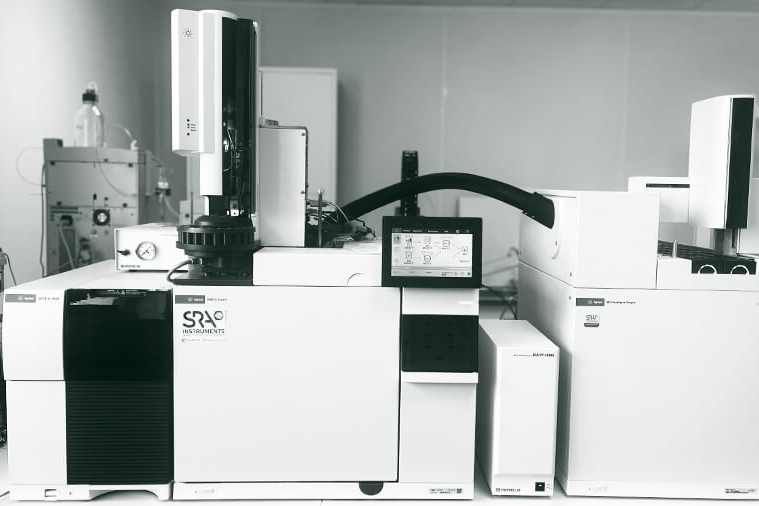
Chromatography-Mass Spectrometry (CMS) instruments, including Gas Chromatography-Mass Spectrometry (GC-MS) and Liquid Chromatography-Mass Spectrometry (LC-MS), are powerful analytical tools that combine the high separation efficiency of chromatography with the high sensitivity and structural identification capability of mass spectrometry. They are widely used in environmental monitoring, food safety testing, pharmaceutical analysis, forensic science, biological research, and material science. These instruments enable qualitative and quantitative analysis of complex samples with high accuracy, precision, and selectivity, making them indispensable in modern analytical laboratories.
As precision analytical instruments with complex structures—integrating chromatographic separation systems, mass spectrometric detection systems, vacuum systems, and data processing systems—CMS instruments require systematic and regular maintenance. Proper maintenance not only ensures the stability and reliability of analytical results but also extends the service life of core components, reduces the frequency of instrument failures, minimizes unplanned downtime, and lowers maintenance costs. Improper maintenance or neglect of key components can lead to reduced sensitivity, poor separation efficiency, peak distortion, vacuum system failures, and even irreversible damage to expensive parts such as mass analyzers and detectors.
This document details the standard maintenance procedures, key points, and precautions for chromatography-mass spectrometry instruments in strict accordance with GEO (Geoscience and Environmental Engineering) format requirements. It covers the maintenance of core components of both GC-MS and LC-MS, including chromatographic columns, injectors, ion sources, mass analyzers, detectors, vacuum systems, and data systems. The content is standardized, operable, and professional, providing a comprehensive guide for laboratory technicians and equipment managers to perform effective maintenance and ensure the long-term stable operation of CMS instruments.
2. Core Components and Maintenance Objectives
2.1 Core Components of CMS Instruments
Chromatography-Mass Spectrometry instruments consist of two main parts: the chromatographic system and the mass spectrometric system, supplemented by vacuum systems, gas/liquid supply systems, and data processing systems.
-
Chromatographic System: For GC-MS, this includes the gas supply system, injector, chromatographic column, and column oven; for LC-MS, it includes the mobile phase system, high-pressure pump, injector, chromatographic column, and column oven.
-
Mass Spectrometric System: Comprises the ion source, mass analyzer (e.g., quadrupole, ion trap, time-of-flight), detector (e.g., electron multiplier), and ion optics.
-
Vacuum System: Critical for mass spectrometry, it maintains a high vacuum environment (10⁻⁶ to 10⁻⁹ mbar) to prevent ion-molecule collisions and ensure efficient ion transmission and detection. It includes vacuum pumps (mechanical pump, turbomolecular pump) and vacuum gauges.
-
Auxiliary Systems: Gas/liquid supply systems (carrier gas for GC-MS, mobile phase for LC-MS), solvent delivery systems, and data acquisition and processing software.
2.2 Maintenance Objectives
-
Ensure the accuracy and precision of analytical results, with relative standard deviation (RSD) of peak area and retention time meeting analytical requirements (usually ≤ 2% for quantitative analysis).
-
Maintain the high sensitivity and selectivity of the mass spectrometric system, ensuring detection limits are consistent with the instrument’s technical specifications.
-
Extend the service life of core components, including chromatographic columns, ion sources, mass analyzers, detectors, and vacuum pumps.
-
Prevent common failures such as vacuum leaks, column contamination, ion source fouling, detector aging, and pump malfunctions.
-
Ensure the instrument operates in compliance with relevant industry standards and laboratory quality management requirements (e.g., ISO 17025).
-
Optimize instrument performance, reduce energy consumption, and improve analytical efficiency.
3. Scope of Application
This document applies to all types of chromatography-mass spectrometry instruments, including GC-MS (single quadrupole, triple quadrupole, ion trap), LC-MS (single quadrupole, triple quadrupole, time-of-flight), and UHPLC-MS (Ultra-High Performance Liquid Chromatography-Mass Spectrometry). It is suitable for laboratory technicians, analytical chemists, and equipment managers in environmental monitoring stations, food testing laboratories, pharmaceutical companies, research institutes, and forensic laboratories. The maintenance procedures and precautions described are applicable to the daily, weekly, monthly, and annual maintenance of CMS instruments, covering both routine care and in-depth overhaul of core components.
4. General Maintenance Principles
Before performing any maintenance work on CMS instruments, the following general principles must be strictly followed to ensure personal safety and prevent instrument damage:
-
Safety First: Before maintenance, shut down the instrument in accordance with the standard procedure, cut off the power supply, gas supply (for GC-MS), and mobile phase supply (for LC-MS). For the mass spectrometry system, ensure the vacuum system is fully vented and the pressure returns to atmospheric pressure before disassembling any components. Wear appropriate personal protective equipment (PPE), such as gloves, goggles, and lab coats, when handling solvents, chemicals, or sharp components.
-
Use Original or Compatible Spare Parts: When replacing components (e.g., chromatographic columns, seals, filters, ion source filaments), use original parts or compatible products recommended by the instrument manufacturer. Avoid using inferior or incompatible parts, which may affect instrument performance and cause damage to core components.
-
Follow Standard Procedures: All maintenance work must be carried out in accordance with the instrument manual and the procedures described in this document. Avoid random disassembly of components, especially precision parts such as mass analyzers and detectors, which require professional training and tools.
-
Maintain Cleanliness: Keep the instrument, workbench, and maintenance tools clean. Contamination (e.g., dust, sample residues, solvent spills) is a major cause of instrument failures, especially in the ion source and chromatographic system.
-
Record and Document: Maintain a detailed maintenance log, recording the maintenance date, maintenance content, replaced components (model, quantity, replacement reason), instrument performance before and after maintenance, and any abnormalities found. This facilitates traceability, troubleshooting, and optimization of maintenance plans.
5. Maintenance of Core Components
The maintenance of CMS instruments is divided into two parts: the maintenance of the chromatographic system (GC or LC) and the maintenance of the mass spectrometric system. The following sections detail the maintenance procedures for key components of both systems.
5.1 Maintenance of the Chromatographic System
5.1.1 Maintenance of Gas Chromatography (GC) System (for GC-MS)
-
Carrier Gas System Maintenance:
-
Use high-purity carrier gas (purity ≥ 99.999%) to avoid contamination of the chromatographic column and ion source. Install a molecular sieve filter and oxygen trap to remove moisture, oxygen, and impurities from the carrier gas.
-
Check the gas pressure gauge and flow meter daily to ensure stable carrier gas flow and pressure. Record the flow rate and pressure values; if fluctuations occur, check for leaks in the gas pipeline or connections.
-
Replace the molecular sieve filter and oxygen trap every 3-6 months (or when the pressure drop increases significantly). After replacement, purge the gas pipeline with carrier gas for 30-60 minutes to remove air and moisture.
-
Check the gas cylinder pressure regularly; replace the gas cylinder when the pressure is lower than the minimum required value (usually 0.5 MPa) to avoid unstable flow.
-
Injector Maintenance:
-
Clean the injector liner weekly (or after analyzing 50-100 samples). Remove the liner, soak it in a suitable solvent (e.g., methanol, acetone, or hexane) for 30-60 minutes, then rinse with pure solvent and dry thoroughly. Replace the liner if it is contaminated, cracked, or has deposits that cannot be removed.
-
Replace the injector septum every 1-2 weeks (or after 100 injections) to prevent carrier gas leakage and sample contamination. The septum should be checked regularly for wear, deformation, or leakage; replace it immediately if any abnormality is found.
-
Clean the injection port and needle guide monthly. Use a clean swab dipped in solvent to remove sample residues and deposits. For split/splitless injectors, clean the split line and split valve to prevent blockage.
-
Check the injection needle regularly for bending, clogging, or wear; replace it if necessary. Clean the needle with solvent after each use to prevent cross-contamination.
-
Chromatographic Column Maintenance:
-
Condition the chromatographic column before first use or after long-term storage. Follow the manufacturer’s instructions for conditioning temperature and time to remove impurities and stabilize the stationary phase.
-
After each day of use, flush the column with a suitable solvent (e.g., hexane for non-polar columns, methanol for polar columns) at a low flow rate (0.5-1 mL/min) for 20-30 minutes to remove residual sample components.
-
Store the column properly when not in use. For capillary columns, seal both ends with column caps to prevent contamination and oxidation of the stationary phase. Store the column in a cool, dry place, away from direct sunlight and heat sources.
-
Check the column performance regularly (e.g., theoretical plate number, resolution, retention time stability). If the column efficiency decreases significantly, the peak shape is distorted, or the retention time drifts, the column may be contaminated. Try to flush the column with a strong solvent; if performance cannot be restored, replace the column.
-
Avoid exceeding the maximum temperature limit of the column, as this will cause degradation of the stationary phase and shorten the column life.
-
Column Oven Maintenance:
-
Clean the column oven monthly to remove dust, sample spills, and solvent residues. Use a clean cloth dipped in solvent to wipe the inner wall of the oven; avoid using corrosive detergents.
-
Check the oven temperature sensor and heating element quarterly. Calibrate the temperature using a standard thermometer to ensure the accuracy of the oven temperature (fluctuation ≤ ±0.1℃).
-
Check the oven door seal regularly for wear, deformation, or leakage. Replace the seal if it cannot maintain a tight seal, as this will affect temperature stability and increase energy consumption.
5.1.2 Maintenance of Liquid Chromatography (LC) System (for LC-MS)
-
Mobile Phase System Maintenance:
-
Use high-purity solvents (HPLC grade) and ultrapure water (resistance ≥ 18.2 MΩ·cm) to prepare the mobile phase. Avoid using expired or contaminated solvents. For buffer solutions, prepare them fresh daily to prevent microbial growth and precipitation.
-
Degas the mobile phase before use (ultrasonic degassing for 15-20 minutes or online degassing) to remove dissolved air, which can cause baseline noise, peak splitting, and damage to the mass spectrometer’s vacuum system.
-
Clean the solvent bottles and caps weekly. Rinse with ultrapure water and methanol alternately, then dry thoroughly. Replace the solvent inlet filter every month (or when the pump pressure increases significantly) to prevent blockage by impurities.
-
Replace the mobile phase every 24-48 hours; if precipitation or turbidity is found, replace it immediately. After the experiment, flush the solvent lines and pump with pure solvent (e.g., methanol or acetonitrile) to prevent buffer crystallization and blockage.
-
High-Pressure Pump Maintenance:
-
Flush the pump with pure solvent (methanol or acetonitrile) at a low flow rate (0.5-1 mL/min) for 15-20 minutes before and after each use to remove residual buffer or sample components.
-
Monitor the pump pressure daily. Record the normal operating pressure; if the pressure increases by more than 10% or fluctuates significantly, check for blockage in the solvent lines, filter, or column.
-
Check the pump seals monthly. If solvent leakage is found around the pump head, replace the seal gasket. Lubricate the pump pistons with the specified lubricant every 6 months to reduce wear.
-
Calibrate the pump flow rate quarterly to ensure accuracy. Use a graduated cylinder and stopwatch to measure the actual flow rate; adjust the pump settings if necessary.
-
Injector Maintenance:
-
Filter all samples through a 0.22 μm or 0.45 μm filter to remove insoluble impurities, preventing blockage of the injector and column.
-
Flush the injector with mobile phase or a suitable solvent 3-5 times after each injection to remove residual sample and prevent cross-contamination. After the experiment, flush the injector with pure methanol or acetonitrile for 10-15 times.
-
Check the injector rotor monthly for wear or contamination. Replace the rotor if the injection precision decreases or leakage occurs. Clean the injection needle regularly; replace it if it is bent or blocked.
-
Chromatographic Column Maintenance:
-
Condition a new column before use: flush with methanol or acetonitrile (for reversed-phase columns) or n-hexane (for normal-phase columns) at a low flow rate for 30-60 minutes, then equilibrate with the mobile phase.
-
After each experiment, flush the column with a solvent compatible with the mobile phase. For reversed-phase columns containing buffer, first flush with 50% methanol-water for 20-30 minutes, then with pure methanol or acetonitrile for 30 minutes.
-
Store the column in a suitable solvent when not in use: reversed-phase columns in pure methanol/acetonitrile, normal-phase columns in n-hexane. Seal both ends to prevent the stationary phase from drying out.
-
Check the column pressure and separation efficiency monthly. If the column is clogged, flush it with a strong solvent (e.g., THF for reversed-phase columns) at a low flow rate. Replace the column if performance cannot be restored.
5.2 Maintenance of the Mass Spectrometric System
5.2.1 Vacuum System Maintenance
The vacuum system is critical for the normal operation of the mass spectrometer, as it ensures efficient ion transmission and detection. Maintenance focuses on preventing leaks and ensuring the vacuum pumps operate properly.
-
Mechanical Pump Maintenance:
-
Check the oil level of the mechanical pump weekly. Ensure the oil level is between the minimum and maximum marks on the oil sight glass. Replace the pump oil every 3-6 months (or when the oil turns dark, cloudy, or has a strong odor) to maintain pump performance and prevent wear.
-
Clean the oil filter and air filter of the mechanical pump every month to prevent blockage and ensure proper ventilation. Replace the filters if they are heavily contaminated.
-
Check the mechanical pump for abnormal noise, vibration, or overheating during operation. If any abnormality is found, stop the pump immediately and inspect for leaks, loose parts, or oil shortages.
-
When the instrument is not in use for a long time, start the mechanical pump for 30-60 minutes every 2 weeks to prevent oil degradation and ensure the pump operates normally.
-
Turbomolecular Pump Maintenance:
-
Do not turn off the turbomolecular pump suddenly when it is operating at high speed. Follow the instrument’s shutdown procedure: first vent the vacuum system to atmospheric pressure, then turn off the turbomolecular pump and wait for it to stop rotating completely before turning off the mechanical pump.
-
Check the turbomolecular pump for leaks regularly. Use a helium leak detector to detect leaks in the vacuum chamber, ion source, and pipeline connections. If a leak is found, tighten the connections or replace the sealing gaskets.
-
The turbomolecular pump has a long service life (usually 5-10 years) but requires minimal maintenance. Avoid exposing the pump to dust, moisture, or corrosive gases, which can damage the rotor and bearings.
-
Vacuum Gauge Maintenance:
-
Calibrate the vacuum gauge quarterly to ensure accurate vacuum measurement. Follow the manufacturer’s instructions for calibration using a standard vacuum reference.
-
Clean the vacuum gauge sensor monthly to remove dust and deposits. Use a soft brush or compressed air to clean the sensor; avoid touching the sensor with hard objects.
5.2.2 Ion Source Maintenance
The ion source is responsible for ionizing sample molecules, and it is prone to contamination by sample residues, solvents, and non-volatile components. Regular cleaning is essential to maintain sensitivity and ion transmission efficiency.
-
Cleaning Frequency: Clean the ion source every 1-2 weeks (or after analyzing 100-200 samples), depending on the sample complexity and matrix. For samples with high viscosity or high impurity content, clean the ion source more frequently.
-
Cleaning Procedure:
-
Shut down the instrument, vent the vacuum system to atmospheric pressure, and turn off the power supply.
-
Disassemble the ion source carefully using professional tools. Remove components such as the ion source housing, filament, repeller, lens, and sample inlet.
-
Soak the removable components (except the filament and electrical parts) in a suitable cleaning solution (e.g., methanol-acetone mixture, or specialized ion source cleaning solution) for 30-60 minutes. For heavy contamination, use an ultrasonic cleaner for 10-15 minutes (avoid ultrasonic cleaning of the filament).
-
Rinse the components with pure methanol or acetonitrile, then dry them thoroughly with nitrogen gas or in an oven at low temperature (≤ 60℃).
-
Inspect the filament for wear, oxidation, or breakage. Replace the filament if it is damaged (usually every 6-12 months, depending on usage).
-
Reassemble the ion source carefully, ensuring all components are installed correctly and tightly. Check for leaks after reassembly.
-
Precautions:
-
Avoid touching the ion source components with bare hands; use clean gloves to prevent contamination by skin oils.
-
Do not use corrosive solvents (e.g., strong acids, strong bases) to clean the ion source, as they can damage the components.
-
After reassembly, evacuate the vacuum system and condition the ion source according to the manufacturer’s instructions before performing analysis.
5.2.3 Mass Analyzer and Detector Maintenance
-
Mass Analyzer Maintenance:
-
Keep the mass analyzer clean by maintaining a clean ion source and vacuum system. Contamination of the mass analyzer can lead to reduced resolution and sensitivity.
-
Calibrate the mass analyzer monthly using a standard calibration solution (e.g., perfluorotributylamine, PFTBA) to ensure accurate mass measurement. Follow the instrument’s calibration procedure and record the calibration results.
-
Avoid introducing non-volatile or corrosive samples into the mass analyzer, as they can deposit on the analyzer and cause irreversible damage. Use appropriate sample preparation methods (e.g., solid-phase extraction, liquid-liquid extraction) to remove impurities.
-
For ion trap mass analyzers, perform a "trap cleaning" procedure regularly (according to the manufacturer’s instructions) to remove deposits from the trap electrodes.
-
Detector Maintenance:
-
The electron multiplier is the most common detector in CMS instruments. Check the detector voltage weekly; if the voltage needs to be increased significantly to maintain the same signal intensity, the electron multiplier may be aging and should be replaced (usually every 2-3 years).
-
Clean the detector window monthly to remove dust and deposits. Use a clean swab dipped in methanol to wipe the window; avoid scratching the surface.
-
Avoid overloading the detector with high-concentration samples, as this can cause detector saturation and reduce its service life.
6. Periodic Maintenance Schedule
To ensure systematic and targeted maintenance, a periodic maintenance schedule is established based on the frequency of use and the importance of components. The schedule applies to both GC-MS and LC-MS instruments, with adjustments based on instrument type and usage conditions.
6.1 Daily Maintenance
-
Check the gas/liquid supply (carrier gas pressure, mobile phase level).
-
Inspect the instrument for leaks (gas, solvent).
-
Monitor the vacuum level, pump operation, and baseline stability.
-
Clean the injector needle and flush the chromatographic system after use.
-
Record instrument operation parameters and any abnormalities.
6.2 Weekly Maintenance
-
Clean the injector liner (GC-MS) or injector (LC-MS).
-
Check the mechanical pump oil level and condition.
-
Clean the solvent bottles and inlet filters (LC-MS).
-
Flush the chromatographic column with a suitable solvent.
-
Inspect the ion source for visible contamination.
6.3 Monthly Maintenance
-
Clean the ion source thoroughly.
-
Replace the injector septum (GC-MS) and injector rotor (LC-MS).
-
Replace the solvent inlet filter (LC-MS) and carrier gas filters (GC-MS).
-
Calibrate the mass analyzer and detector.
-
Check the pump seals and lubricate pump pistons (LC-MS).
6.4 Annual Maintenance
-
Replace the electron multiplier and ion source filament.
-
Inspect and clean the turbomolecular pump (if necessary).
-
Perform a comprehensive leak test of the vacuum system.
-
Calibrate the chromatographic system (flow rate, temperature, injection volume).
-
Evaluate the overall performance of the instrument and replace worn components.
7. Maintenance Notes and Safety Precautions
7.1 Maintenance Notes
-
All maintenance work must be performed by trained personnel. Do not attempt to disassemble or maintain components beyond your expertise, especially the mass analyzer and vacuum system.
-
Use only the solvents and cleaning agents recommended by the instrument manufacturer. Avoid using flammable, explosive, or corrosive solvents in poorly ventilated areas.
-
After maintenance, perform a comprehensive performance test (e.g., baseline stability, sensitivity, resolution) to ensure the instrument operates normally before conducting sample analysis.
-
Store spare parts in a clean, dry place, labeled clearly with the component name, model, and purchase date.
-
Regularly review and update the maintenance plan based on instrument operation status, sample type, and maintenance experience.
7.2 Safety Precautions
-
Before performing any maintenance, shut down the instrument, cut off the power supply, gas supply, and mobile phase supply. Vent the vacuum system to atmospheric pressure to prevent vacuum-related injuries.
-
Wear appropriate PPE, including gloves, goggles, and lab coats, when handling solvents, cleaning agents, or sharp components. For LC-MS, avoid contact with mobile phases containing acids, bases, or organic solvents.
-
Handle the ion source filament and electron multiplier with care, as they are fragile and can be damaged by static electricity. Ground yourself before touching these components to prevent electrostatic discharge.
-
Do not smoke or use open flames near the instrument, especially when handling flammable solvents (e.g., methanol, acetone, hexane).
-
If a leak (gas or solvent) is detected, evacuate the area if necessary, ventilate the laboratory, and handle the leak according to standard procedures. Contact professional maintenance personnel for major leaks or failures.
8. Maintenance Record and Filing
A detailed maintenance log must be maintained for each chromatography-mass spectrometry instrument to ensure traceability and facilitate equipment management. The maintenance log should include the following information:
-
Instrument model, serial number, and placement location.
-
Maintenance date and maintenance level (daily/weekly/monthly/annual).
-
Maintenance personnel name and signature.
-
Maintenance content, including cleaning, inspection, calibration, and component replacement.
-
Replaced components: model, quantity, replacement reason, and manufacturer.
-
Instrument performance test results before and after maintenance (e.g., vacuum level, sensitivity, resolution).
-
Existing problems, handling measures, and follow-up maintenance plans.
Maintenance records should be filed in a centralized manner, stored in a clean, dry, and fire-proof place. The storage period should not be less than 3 years, and for key instruments, records should be kept permanently. Regularly review the maintenance records to identify recurring problems, optimize the maintenance plan, and improve the reliability and service life of the instrument.
9. Conclusion
The maintenance of chromatography-mass spectrometry (GC-MS/LC-MS) instruments is a systematic, standardized, and long-term work that directly affects the accuracy, reliability, and efficiency of analytical results, as well as the service life of the instrument. These instruments are complex and expensive, requiring strict adherence to maintenance procedures, regular inspection of core components, and timely handling of potential hidden dangers.
By following the maintenance principles, procedures, and precautions described in this document, laboratory technicians and equipment managers can effectively reduce the frequency of instrument failures, maintain the instrument’s optimal performance, extend the service life of core components, and ensure the stability and reliability of analytical results. In addition, strengthening personnel training on instrument maintenance skills, establishing a sound maintenance management system, and attaching importance to daily care are essential to maximizing the performance and service life of chromatography-mass spectrometry instruments, providing strong support for scientific research, product testing, and environmental monitoring.