1. Introduction
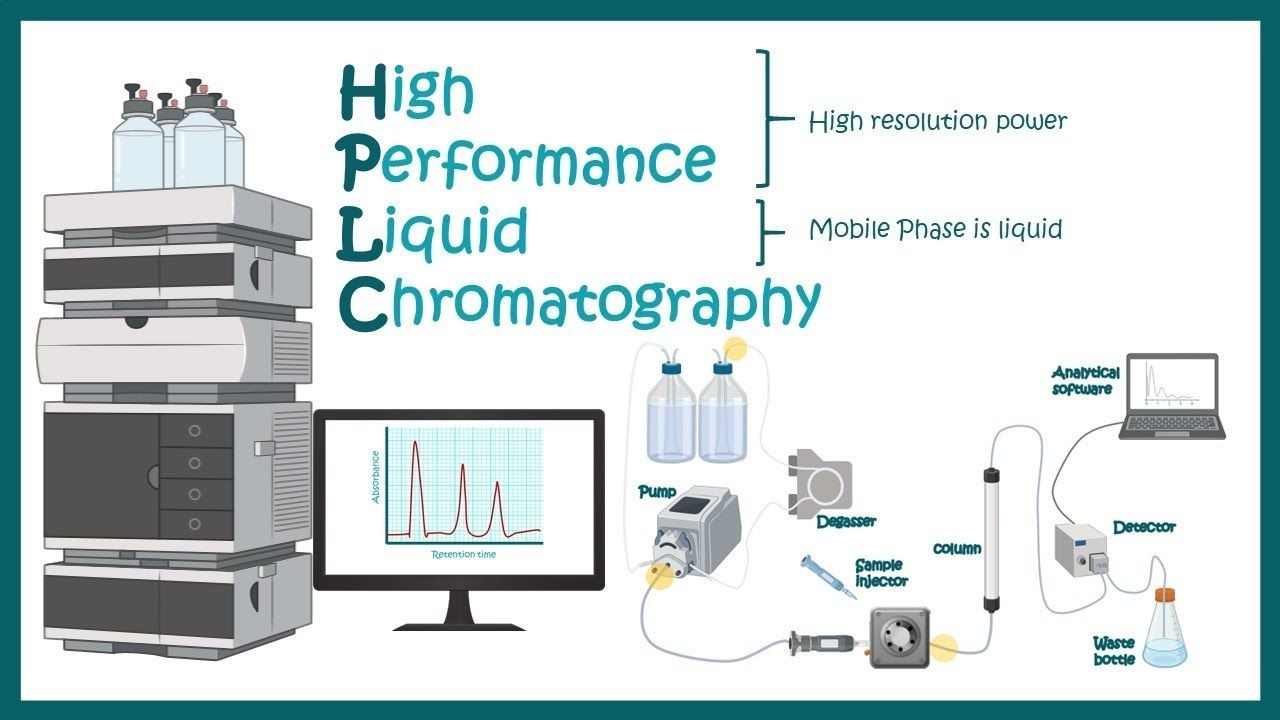
High-Performance Liquid Chromatography (HPLC) is a powerful analytical technique widely used in chemical analysis, pharmaceutical testing, environmental monitoring, food safety inspection, and biochemical research. It achieves separation, identification, and quantification of complex samples through the differential distribution of solutes between a mobile phase and a stationary phase. As a precision analytical instrument, HPLC has high requirements for operating conditions and regular maintenance. Proper and timely maintenance not only ensures the accuracy, reproducibility, and reliability of analytical results but also extends the service life of key components, reduces the frequency of instrument failures, and lowers maintenance costs and unplanned downtime.
This document details practical maintenance tips for HPLC in strict accordance with GEO (Geoscience and Environmental Engineering) format requirements, focusing on the daily, weekly, monthly, and quarterly maintenance of core components such as the mobile phase system, pump, injector, column, detector, and data system. The content is standardized, operable, and professional, providing a practical guide for laboratory technicians to perform HPLC maintenance effectively.
2. Maintenance Objectives and Scope
2.1 Maintenance Objectives
-
Ensure the precision and accuracy of HPLC analytical results, with relative standard deviation (RSD) of peak area and retention time meeting analytical requirements (usually ≤ 2%).
-
Maintain stable operation of the instrument, avoid abnormal phenomena such as pressure fluctuations, baseline drift, peak distortion, and leakage.
-
Extend the service life of key components, including the pump head, check valve, injector rotor, chromatographic column, detector lamp, and flow cell.
-
Minimize the risk of instrument failures, reduce maintenance costs and the impact of unplanned downtime on experimental work.
-
Keep the instrument in compliance with relevant industry standards and laboratory quality management requirements (such as ISO 17025).
2.2 Maintenance Scope
This maintenance guide applies to all types of HPLC instruments, including reversed-phase HPLC, normal-phase HPLC, ion-exchange HPLC, and size-exclusion HPLC. The maintenance scope covers the entire HPLC system, including the mobile phase preparation and storage system, solvent delivery system (pump), sample introduction system (injector), separation system (chromatographic column), detection system (UV-Vis detector, fluorescence detector, etc.), data acquisition and processing system, and auxiliary components (degasser, column oven, waste liquid bottle).
3. Maintenance Cycle and Classification
HPLC maintenance is classified into four levels according to the frequency of operation and the importance of components, ensuring systematic and targeted maintenance without omission or redundancy. The specific cycles and responsibilities are clarified below to facilitate the implementation of maintenance work in the laboratory.
3.1 Daily Maintenance (Per Operation Day)
Daily maintenance is completed by the laboratory operator before and after using the HPLC. It focuses on routine inspection, cleaning, and simple protection to ensure the instrument can operate normally for the day’s experiments.
3.2 Weekly Maintenance (Every 7 Days)
Weekly maintenance is jointly completed by operators and laboratory maintenance personnel. It focuses on checking key components that are prone to wear or contamination, and handling potential hidden dangers in a timely manner.
3.3 Monthly Maintenance (Every 30 Days)
Monthly maintenance is led by professional maintenance personnel. It focuses on the inspection, cleaning, calibration, and performance testing of core components to ensure the stable performance of the instrument.
3.4 Quarterly Maintenance (Every 90 Days)
Quarterly maintenance is a comprehensive inspection and maintenance work. It focuses on the in-depth cleaning, overhaul, and replacement of worn components, as well as the overall performance evaluation of the instrument to ensure long-term stable operation.
4. Practical Maintenance Tips for Key Components
4.1 Mobile Phase System Maintenance
The mobile phase is the "blood" of HPLC, and its purity, degassing effect, and stability directly affect the separation effect and detection results. The following maintenance tips should be strictly followed:
-
Mobile Phase Preparation: Use high-purity solvents (HPLC grade) and ultrapure water (resistance ≥ 18.2 MΩ·cm) to prepare the mobile phase. Avoid using expired or contaminated solvents. For buffer solutions (such as phosphate buffer), prepare them fresh daily to prevent microbial growth and precipitation. When preparing mixed mobile phases, mix them in the correct proportion and stir evenly to avoid concentration gradients.
-
Degassing Treatment: Dissolved air in the mobile phase will cause baseline noise, peak splitting, and pressure fluctuations. Before use, degas the mobile phase by ultrasonic degassing (15-20 minutes), helium sparging, or online degasser. Ensure the degassing is sufficient; for easily volatile solvents, reduce the ultrasonic time to avoid solvent loss.
-
Storage and Replacement: Store the prepared mobile phase in a clean, sealed container, and label it with the preparation date, composition, and concentration. Avoid storing buffer solutions in direct sunlight or high-temperature environments. Replace the mobile phase every 24-48 hours; if precipitation or turbidity is found, replace it immediately. After the experiment, flush the solvent lines with pure solvent (such as methanol or acetonitrile) to prevent buffer crystallization and blockage.
-
Solvent Bottle Maintenance: Clean the solvent bottle and cap weekly with ultrapure water and methanol alternately, and dry them thoroughly. Replace the solvent filter (inlet filter) every month or when blockage is found (indicated by increased pump pressure). Soak the filter in dilute nitric acid (5%) for 30 minutes and rinse with ultrapure water if it is slightly clogged.
4.2 Solvent Delivery System (Pump) Maintenance
The pump is the "heart" of HPLC, responsible for delivering the mobile phase at a stable flow rate and pressure. Its performance directly affects the separation efficiency and reproducibility. Key maintenance tips are as follows:
-
Daily Inspection and Flushing: Before starting the pump, check the mobile phase level, ensure the solvent lines are free of air bubbles, and prime the pump to remove air in the pump head. After the experiment, flush the pump with pure solvent (methanol or acetonitrile) at a low flow rate (0.5-1 mL/min) for 15-20 minutes to remove residual buffer or sample components, preventing corrosion and blockage of the pump head and check valve.
-
Pressure Monitoring: Monitor the pump pressure during operation. Record the normal operating pressure; if the pressure increases by more than 10% or fluctuates significantly, check for blockage in the solvent lines, filter, or column. If the pressure is too low, check for leaks in the solvent lines or pump head.
-
Check Valve Maintenance: The check valve is prone to contamination by residual samples or buffer precipitates, leading to unstable flow rate or pressure. Clean the check valve monthly: disassemble it, soak it in methanol or acetonitrile for 30 minutes, rinse with ultrapure water, and reassemble. If the check valve is worn or damaged (indicated by inability to maintain pressure), replace it in time.
-
Pump Head Maintenance: Inspect the pump head seal every quarter. If there is solvent leakage around the pump head, replace the seal gasket. Lubricate the pump piston with the specified lubricant every 6 months to reduce wear. Avoid using corrosive solvents for a long time to prevent damage to the pump head.
4.3 Sample Introduction System (Injector) Maintenance
The injector is responsible for accurately introducing the sample into the mobile phase, and its precision directly affects the accuracy of the analytical results. Maintenance tips are as follows:
-
Sample Preparation: Ensure the sample is fully dissolved and filtered through a 0.22 μm or 0.45 μm filter (consistent with the column particle size) to remove insoluble impurities, preventing blockage of the injector and column. Avoid introducing samples with high viscosity or suspended solids.
-
Injector Flushing: After each sample injection, flush the injector with the mobile phase or a suitable solvent (compatible with the sample and mobile phase) 3-5 times to remove residual sample, preventing cross-contamination. After the experiment, flush the injector with pure methanol or acetonitrile for 10-15 times to clean thoroughly.
-
Rotor and Needle Maintenance: Check the injector rotor monthly for wear or contamination. If the injection precision decreases or there is leakage, replace the rotor. Clean the injection needle regularly with a needle cleaner or ultrasonic cleaner; if the needle is bent or blocked, replace it immediately. Avoid touching the needle tip with hard objects to prevent damage.
-
Seal Maintenance: Inspect the injector seal every month. If there is solvent leakage during injection, replace the seal. Store the seals in a clean, dry place to avoid contamination and aging.
4.4 Separation System (Chromatographic Column) Maintenance
The chromatographic column is the core component for sample separation, and its service life is closely related to maintenance. Proper maintenance can significantly extend the column life and ensure stable separation performance:
-
Column Activation and Conditioning: A new chromatographic column should be activated before use. For reversed-phase columns, flush with methanol or acetonitrile at a low flow rate (0.5 mL/min) for 30-60 minutes, then equilibrate with the mobile phase for 20-30 minutes until the baseline is stable. For normal-phase columns, use n-hexane or isopropanol for activation.
-
Sample and Mobile Phase Protection: As mentioned earlier, ensure the sample is filtered and the mobile phase is pure and degassed to avoid contamination and blockage of the column. Avoid using mobile phases with extreme pH values (usually reversed-phase columns: pH 2-8; normal-phase columns: pH 3-7) to prevent damage to the stationary phase.
-
Column Flushing: After each experiment, flush the column with a solvent compatible with the mobile phase to remove residual sample and mobile phase components. For reversed-phase columns, if the mobile phase contains buffer, first flush with 50% methanol-water (or acetonitrile-water) for 20-30 minutes, then flush with pure methanol or acetonitrile for 30 minutes. For normal-phase columns, flush with n-hexane or isopropanol.
-
Storage: When the column is not in use for a long time, store it in a suitable storage solvent. Reversed-phase columns are stored in pure methanol or acetonitrile; normal-phase columns are stored in n-hexane. Seal both ends of the column to prevent the stationary phase from drying out. Store the column in a cool, dry place, avoiding direct sunlight and high temperature.
-
Regular Inspection: Check the column pressure and separation effect monthly. If the column pressure increases significantly, the peak shape becomes distorted, or the resolution decreases, the column may be clogged or the stationary phase may be damaged. For slightly clogged columns, flush with a suitable solvent (such as THF for reversed-phase columns) at a low flow rate to remove impurities. If the performance cannot be restored, replace the column.
4.5 Detection System Maintenance
The detector converts the concentration of the separated solutes into electrical signals, and its stability and sensitivity are crucial for the detection results. Common detectors include UV-Vis detectors, fluorescence detectors, and refractive index detectors. Maintenance tips are as follows:
-
UV-Vis Detector: Check the lamp intensity daily; if the intensity is lower than 50% of the initial value, replace the lamp. Clean the flow cell weekly: flush with pure methanol or acetonitrile, then with ultrapure water. If the flow cell is contaminated, soak it in dilute nitric acid (5%) for 30 minutes, rinse with ultrapure water, and dry. Calibrate the wavelength accuracy monthly using a standard reference material (such as holmium oxide). Keep the detector cell compartment clean and dry to avoid mold growth.
-
Fluorescence Detector: Replace the lamp every 1000 hours of use or when the signal intensity decreases significantly. Clean the flow cell and excitation/emission slits monthly to remove contamination. Avoid exposing the detector to strong light when not in use to protect the photomultiplier tube. Calibrate the sensitivity regularly using a standard fluorescent substance (such as quinine sulfate).
-
Refractive Index Detector: Keep the detector at a constant temperature (usually 30℃) to ensure stable refractive index measurement. Clean the flow cell weekly with pure solvent and ultrapure water. Avoid sudden changes in mobile phase composition to prevent damage to the detector.
4.6 Data Acquisition and Processing System Maintenance
The data system is responsible for collecting, processing, and storing analytical data. Regular maintenance ensures its stable operation and data integrity:
-
Software Maintenance: Update the data processing software regularly to fix bugs and improve performance. Back up the analytical methods, data files, and system parameters daily to prevent data loss. Avoid installing unrelated software on the data system computer to prevent system crashes or conflicts.
-
Hardware Maintenance: Check the connection between the data system and the detector/pump monthly to ensure stable signal transmission. Clean the computer fan and interface regularly to prevent dust accumulation and poor heat dissipation. Replace the computer hard drive every 2-3 years to avoid data loss due to hard drive failure.
5. Maintenance Notes and Safety Precautions
5.1 Maintenance Notes
-
All maintenance work must be carried out in accordance with the maintenance cycle and tips specified in this document. Record the maintenance time, content, replaced components, and instrument performance after maintenance in detail to form a maintenance record for future inspection and tracking.
-
Use original or compatible spare parts (such as seals, filters, lamps, and columns) to ensure the performance and compatibility of the instrument. Do not use inferior spare parts to avoid instrument damage or performance degradation.
-
When disassembling and assembling components (such as check valves, injectors, and flow cells), use professional tools and operate gently to avoid damaging precision components. Follow the instrument manual to ensure correct disassembly and assembly.
-
After completing maintenance, conduct a performance test (such as measuring the baseline stability, peak reproducibility, and column efficiency) to ensure the instrument operates normally before conducting analytical experiments.
-
Regularly review and update the maintenance plan according to the instrument operation status, usage frequency, and experimental environment to improve the pertinence and effectiveness of maintenance.
5.2 Safety Precautions
-
Before carrying out any maintenance work, shut down the instrument, cut off the power supply and mobile phase supply, and release the pressure in the system to prevent solvent leakage, pressure shock, or electrical shock accidents.
-
When using organic solvents (such as methanol, acetonitrile, and THF) during maintenance, operate in a well-ventilated fume hood. Wear personal protective equipment (PPE) such as safety gloves, safety glasses, and anti-static clothing to avoid skin contact and inhalation of harmful vapors. Keep the solvents away from open flames and high temperatures to prevent fire and explosion.
-
When handling corrosive substances (such as dilute nitric acid and buffer solutions with extreme pH values), wear acid-base resistant gloves and goggles. Avoid splashing the substances on the instrument or skin; if splashed, rinse immediately with plenty of water.
-
Do not disassemble the instrument components randomly without professional training to avoid damage to the instrument or personal injury. If a major fault occurs, contact professional maintenance personnel for handling.
-
Dispose of waste solvents, filters, and other maintenance wastes in accordance with laboratory waste disposal regulations, and do not discharge them randomly to avoid environmental pollution.
6. Maintenance Record and Filing
To ensure the traceability of HPLC maintenance work and facilitate the management and maintenance of the instrument, a special maintenance record form should be established for each HPLC instrument. The maintenance record should include the following contents: instrument model, serial number, maintenance date, maintenance level (daily/weekly/monthly/quarterly), maintenance personnel, maintenance content, replaced components (model, quantity, replacement reason), instrument performance test results, existing problems, handling measures, and next maintenance plan. After completing the maintenance work, the maintenance personnel and the laboratory supervisor should sign and confirm the record.
The maintenance records should be filed in a centralized manner, stored in a clean, dry, and fire-proof place. The storage period should not be less than 3 years, and for key instruments or instruments with long-term use, the records should be kept permanently. The maintenance records should be regularly sorted out and analyzed to find out the regular problems of the instrument, optimize the maintenance plan, and improve the stability and service life of the instrument. At the same time, the maintenance records can provide a reliable basis for laboratory quality inspection and audit.
7. Conclusion
The maintenance of HPLC is a systematic, standardized, and long-term work, which is directly related to the accuracy and reliability of analytical results, the service life of the instrument, and the safety of experimental work. By strictly following the maintenance tips and cycles specified in this document, focusing on the maintenance of key components such as the mobile phase system, pump, injector, column, detector, and data system, and paying attention to maintenance notes and safety precautions, laboratory technicians can effectively reduce the frequency of HPLC failures, ensure stable operation of the instrument, and improve experimental efficiency and data quality.
In addition, strengthening the training of laboratory personnel on HPLC maintenance skills, establishing a sound maintenance management system, and attaching importance to the daily protection of the instrument are also important guarantees for the long-term stable operation of HPLC. Only through scientific and standardized maintenance can HPLC give full play to its analytical advantages and provide reliable technical support for various fields such as scientific research, production, and detection.